
Currently Empty: $0.00



Forex trading, also known as foreign exchange trading, is the act of buying and selling currencies on the global market. It is one of the largest financial markets in the world, with a daily trading volume exceeding $6 trillion. Unlike stock markets, Forex operates 24 hours a day, five days a week, allowing traders to participate from anywhere in the world.
Understanding Currency Pairs
In Forex trading, currencies are traded in pairs, such as EUR/USD (Euro/US Dollar) or GBP/JPY (British Pound/Japanese Yen). The first currency in the pair is called the base currency, and the second is the quote currency. The price of a currency pair indicates how much of the quote currency is needed to purchase one unit of the base currency.
Major and Minor Pairs
The most traded currency pairs are called major pairs, which usually involve the US Dollar and other strong economies’ currencies, such as the Euro, Japanese Yen, British Pound, and Swiss Franc. Minor pairs include other combinations without the US Dollar, and exotic pairs include a major currency paired with a less liquid currency from a smaller economy.
Leverage and Margin
Forex trading often involves leverage, allowing traders to control large positions with a small amount of capital. For example, a leverage of 1:100 enables a trader to control $100,000 with just $1,000. While leverage can amplify profits, it also increases the potential for significant losses. Margin refers to the required amount of capital needed to open and maintain a leveraged position.
Pips and Lots
A pip is the smallest price movement in a currency pair, usually the fourth decimal place, except for the Japanese Yen pairs, where it is the second decimal place. Trading is done in lots, which are standard units of currency. A standard lot equals 100,000 units of the base currency, a mini lot is 10,000, and a micro lot is 1,000. Understanding pips and lots is essential for calculating profits and losses.
Factors Influencing Forex Prices
Forex prices are influenced by economic indicators, geopolitical events, interest rates, and market sentiment. Key economic indicators include GDP, employment rates, inflation, and trade balances. Political stability, central bank policies, and global events can also cause significant price fluctuations. Traders need to stay informed and understand how these factors impact currency values.
Types of Forex Analysis
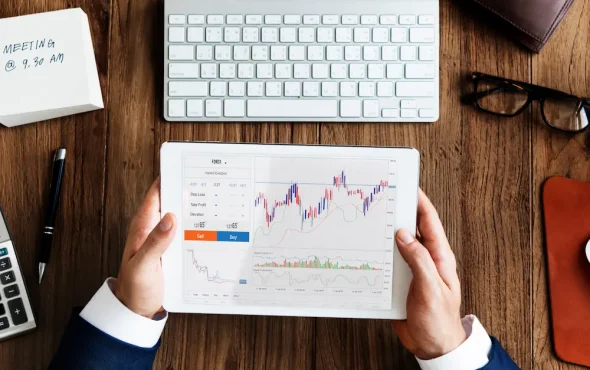
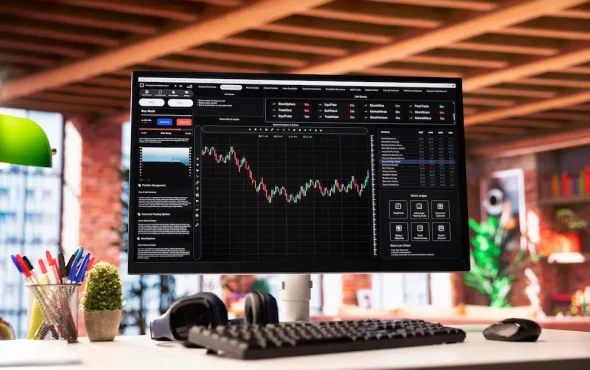
There are two primary approaches to analyzing Forex markets: fundamental analysis and technical analysis. Fundamental analysis focuses on economic indicators, news events, and monetary policies to predict price movements. Technical analysis involves studying historical price charts and patterns, using tools such as moving averages, trend lines, and oscillators to identify trading opportunities.
Choosing a Forex Broker
Selecting a reliable Forex broker is crucial for successful trading. Traders should consider factors such as regulation, trading platforms, spreads, leverage options, customer support, and deposit/withdrawal methods. Regulated brokers provide a safer trading environment and help protect traders’ funds.
Conclusion
Forex trading offers significant opportunities for profit but also involves substantial risks. Understanding the basics, including currency pairs, leverage, pips, lots, and market analysis, is essential for anyone looking to enter this dynamic market. By starting with proper knowledge, practicing with demo accounts, and developing a disciplined trading strategy, traders can increase their chances of long-term success in Forex trading.

Alex Mohr
I really enjoyed this post. Very exciting article!! Lorem ipsum is dummy text used in laying out print, graphic or web designs.
Mark Alen
Grateful for your kind words! Thrilled to hear you found value in the insights. Your support means a lot. Thanks!
Hanna Ben
Inspiring education blog! Illuminating perspectives on effective teaching. Practical insights and innovative approaches make this a must-read for educators seeking impactful strategies. Bravo!